Toxic Mold Removal in South Beechwold, OH
Mold is removed from drywall, insulation and affected surfaces in your South Beechwold property. Call 24/7 to arrange your assessment and cleanup.
- Moisture and damage checked
- Containment with HEPA filtration
- Cleanup based on site conditions
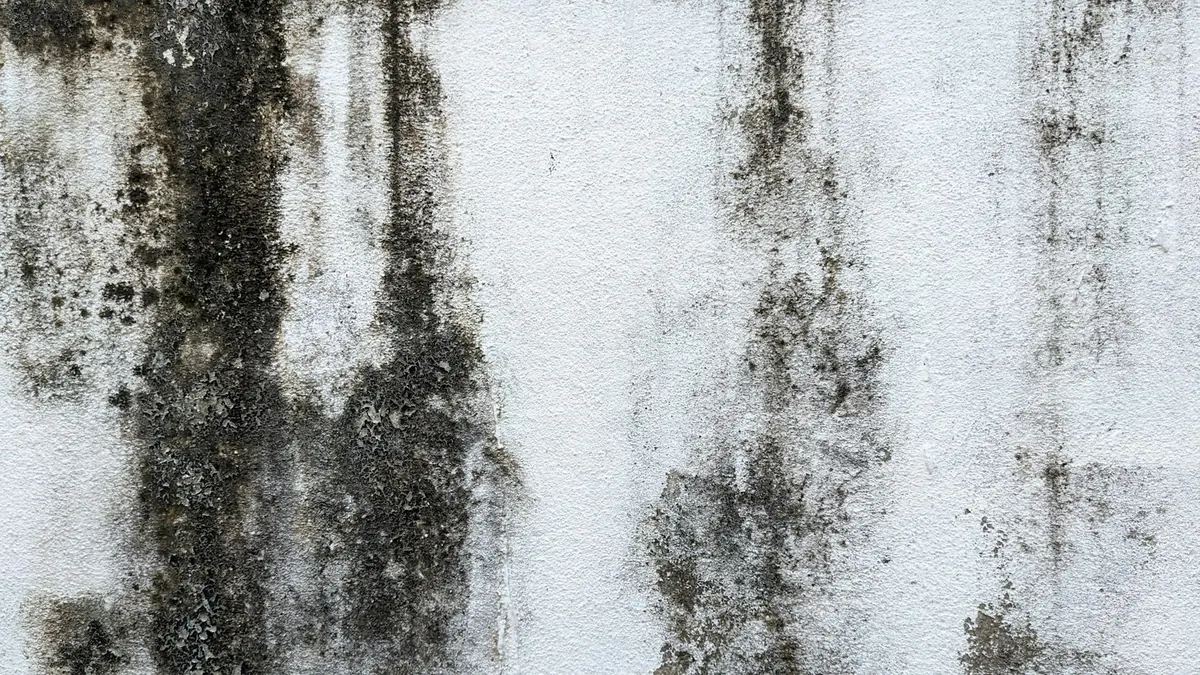
Toxic Mold Removal Services in South Beechwold
Mold cleanup covers your affected ceilings, walls and hidden moisture. It includes taking out damaged insulation and drywall as needed, plus cleaning and drying framing that is sound and surfaces that are non-porous.
Toxic mold and black mold are search terms, not findings about danger. CDC says color does not tell you how risky mold is. Cleanup follows damage and moisture rather than appearance.
Your mold inspection traces water intrusion. A written scope of work defines containment, cleaning and separate repairs. Mold types such as Stachybotrys chartarum do not establish your individual risk.
- Moisture assessment behind visible growth
- Contained drywall and insulation removal
- Cleaning of sound wood and hard surfaces
- HEPA filtration during controlled work
- Drying and post-remediation verification
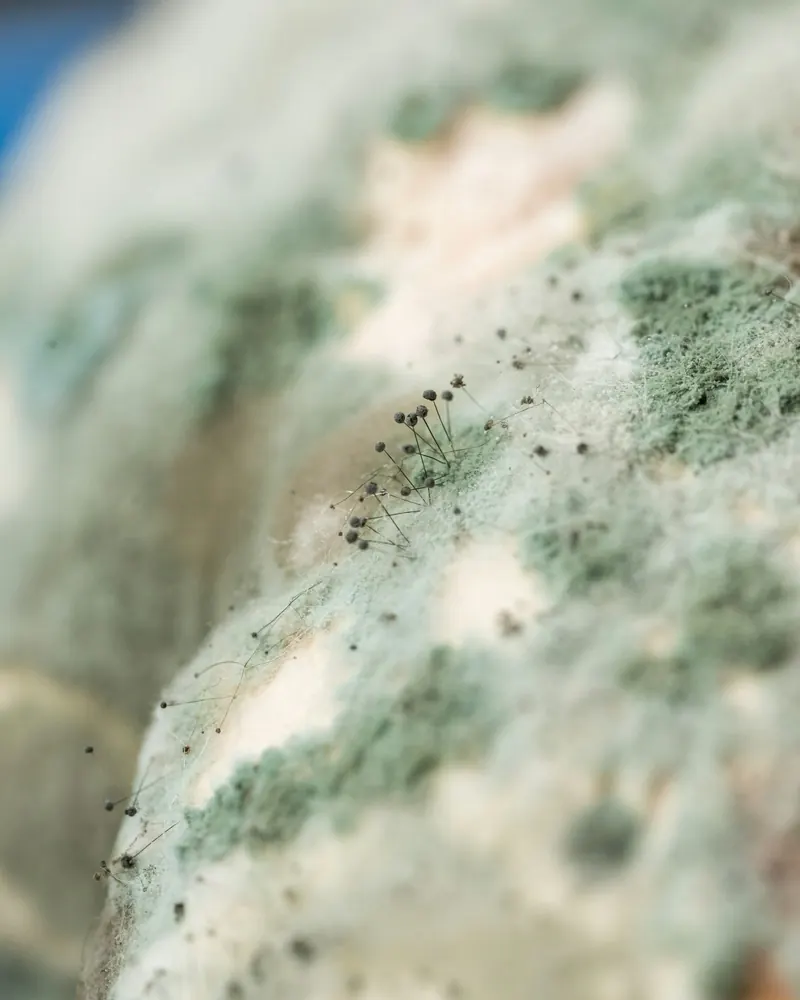
Signs You Need Toxic Mold Cleanup
Recurring growth, damp materials and musty odor need assessment, regardless of mold color.
Soft Wallboard or Peeling Finishes
You may need materials removed where drywall swells and ceiling tiles show damage.
Spots Returning After Cleaning
Your wall develops patches again while the moisture source stays unresolved.
Musty Odor in Adjacent Rooms
You may notice lasting odors around shared walls alongside concealed growth.
Dark Growth on Drywall
Hidden moisture may accompany patches beside pipes, along baseboards or at ceiling joints.
Toxic Mold Worries Following a Leak
Following roof or plumbing water intrusion, your walls stay wet and show growth.
Understanding Toxic Mold Removal in South Beechwold
For your removal work, the sequence is assessment, cleanup under containment, then verification.
Mold Inspection and Moisture Mapping
Visible growth and adjacent rooms are assessed. A moisture meter checks damp materials and helps locate hidden damage.
Moisture Source and Work Scope
Tracing identifies where condensation and leaks originate. Before removal begins, your scope identifies affected materials, separate repairs and moisture corrections.
Toxic Mold Containment
Containment barrier construction uses poly sheeting. To limit mold spores spreading, cleanup uses negative air pressure, protective equipment and a HEPA air scrubber.
Controlled Drywall Removal
Bagging takes place within containment for unsalvageable porous materials, including insulation and drywall. The cleanup crew protects your debris route.
Cleaning Retained Surfaces
Surface cleaning and HEPA vacuum cleaning are used on intact framing and hard surfaces. Antimicrobial treatment cannot take the place of mold removal.
Drying and Moisture Control
Drying equipment, including a dehumidifier and controlled air movers where appropriate, dries retained materials. Moisture readings track progress alongside moisture correction.
Verification Before Reopening
Cleaning and drying are checked before containment comes down. An independent assessor performs clearance testing when specified; replacement materials follow verification.
Why Choose Columbus Mold Removal Services for Toxic Mold Removal
Toxic Mold Cleanup Calls Answered 24/7
You can begin your assessment throughout the metro at one number, even nights and weekends.
Contained Removal and HEPA Filtration
Removal uses containment and protection for the debris route to reduce particle spread.
Removal Through Final Checks
Containment stays in place until drying, cleaning and the agreed verification are complete.
A Defined Scope for Toxic Mold Concerns
Your scope follows material condition without treating color as a measure of danger.
Moisture Before Replacement Finishes
Moisture correction needs are set out before repaired walls conceal any damp areas.
Before Toxic Mold Cleanup in Franklin County
Keep affected materials undisturbed while your assessment is arranged.
- Leave damaged walls intact. Leave drywall in place; never scrape growth or sand stains.
- Keep Everyone Outside the Work Area. Affected materials should remain off limits to pets and children.
- Avoid wet electrical equipment. Where outlets, appliances or wiring are nearby, stay out of standing water.
- Keep suspect HVAC equipment off. Your building can receive spreading mold from a contaminated system, EPA says.
- Avoid blowing air across growth. Do not aim a household fan at moldy materials or into an opened wall.
Understanding Toxic Mold Removal Cost in South Beechwold
Your price follows damage and access. These national figures cover black mold work and general remediation, not a separate toxicity category. Inspection and cleanup are different services; the removal ranges are alternatives, not amounts to add together.
Removal Average for Stachybotrys chartarum (Black Mold)
$800 to $7,000 per jobSource: Fixr, Mold Remediation Cost (checked 2026-10-23)Black mold inspection
$600 to $800 per inspectionSource: Fixr, Mold Inspection Cost (checked 2026-10-23)Typical national range, average $3,500
$1,500 to $9,000 per jobSource: Fixr, Mold Remediation Cost (checked 2026-10-23)What Changes Your Toxic Mold Cleanup Cost
- Access to hidden growth
- Drying, testing and separate repairs
- Material removal and disposal
- Containment and HEPA filtration
- Affected area and rooms
The Price of Your Property Cleanup
These published national ranges are planning figures. Your on-site assessment defines the work and price before cleanup starts, including any separate source repairs or rebuilding.
Call (844) 352-3560 about costToxic Mold Removal Service Area Across Greater Columbus
Call (844) 352-3560 to arrange cleanup in South Beechwold or nearby communities. One number covers the metro.
Toxic Mold Removal in Locations Near South Beechwold
ZIP codes
Common Questions About Toxic Mold Removal in South Beechwold
Is the moisture problem fixed as part of cleanup?
Before cleanup ends, needed corrections are defined for the moisture source identified in the assessment. Only plumbing, ventilation or roofing repairs named in your scope are included. Separate repair needs are established ahead of removal; correcting the conditions that allowed growth comes before drying and installing replacement finishes.
What does toxic mold remediation cost in Franklin County?
Containment, concealed damage, affected rooms and access for removal determine your price. The cost cards list sources and units alongside national figures covering general remediation and black mold work. Your property is assessed to establish what the cleanup actually includes. Only a scope listing includes testing, rebuilding or leak repair.
How much time does cleanup inside containment need?
The rooms and materials affected shape your schedule along with access. A damp cavity and drywall needing removal take more work than cleanup of an accessible hard surface. Final checks come before containment removal, while moisture readings determine drying time. Normal use of your room may take longer if separate repairs are needed.
During black mold cleanup, what materials must be removed?
You may need damaged carpet, ceiling tiles, drywall and insulation taken out. Cleaning and drying are often possible for sound wood and hard surfaces you can reach. Your scope reflects how much growth is present and the condition of materials. Black staining by itself cannot establish a need to replace your entire wall.
Can you stay in the property during cleanup?
You might stay if the containment area and debris path stay separated from the rooms being occupied. That choice depends on household needs, shared ventilation and access to your bathroom. Some jobs require temporary relocation. Before removal, your assessment sets restrictions; the area reopens after drying, cleaning and the agreed final checks.
Can mold return once removal is complete?
Lingering moisture can allow mold to return. Your cleanup starts with tracing leaks, condensation and damp cavities. Retained surfaces are cleaned and dried, with moisture corrections defined in the scope. Replacement drywall and insulation follow drying and verification so new materials do not cover unresolved dampness.
Before removal in South Beechwold, is toxic mold testing necessary?
Visible mold usually does not need air sampling under EPA guidance. Assessing your property establishes the growth, affected materials and moisture. A specific question about your site may warrant mold testing, but your individual response is not predicted by lab results. If specified, clearance testing is conducted by an independent assessor. There is no federal indoor mold limit.
Understanding Insurance for Toxic Mold Cleanup in Ohio
Homeowners insurance coverage depends on the moisture cause, exclusions, mold limits and deductible. Cleanup and repairs may receive different coverage decisions.
Understanding Toxic Mold Concerns and Safe Cleanup in Greater Columbus
Removal uses containment to limit escaping particles. Assessing conditions in your property does not predict your personal response to mold.
People at Greater Risk
People who have lung disease, weak immune systems or asthma face higher risk, CDC says.
Mold and Sensitive People
For some people, mold may trigger symptoms of allergies and asthma, CDC notes.
Recent Water Damage
EPA recommends that you prevent mold growth by drying areas and items damaged by water within 24 to 48 hours.
Toxic Mold and Surface Treatments
EPA cautions that simply killing mold falls short. Dead mold can still trigger allergic reactions, so removal matters.
Cleanup scope: EPA notes that an area of less than about 10 square feet is often suitable for homeowner cleaning. Seek professional assessment for HVAC systems, larger areas, contaminated water or sewage.
Materials Cleaned or Removed for Your Franklin County Property
Material condition determines what stays. Color alone does not determine how much wall or flooring comes out.
Non-Porous Surfaces
- Glass, glazed tile and metal are cleaned wherever reachable, with separate assessment of joints and backing.
Wood Framing
- Sound wood is cleaned and dried. Deteriorated framing needs a repair assessment before it is retained.
Porous Materials
- Removal may be needed for moldy carpet, padding, drywall, ceiling tiles and insulation; bagging damaged material takes place inside containment.
Planning Your Toxic Mold Cleanup Timeline in Franklin County
Your timing depends on access, damage hidden from view and drying conditions.
- Hidden damage: More affected material may appear in opened cavities and alter your removal scope.
- Drying progress: Before walls close and finishes go in, moisture readings determine whether materials are ready.
- Completion checks: Moisture repairs and agreed verification affect when the area reopens.
Addressing Odor After Toxic Mold Remediation in Franklin County
Check for lingering dampness if you still notice musty smells. Fragrance cannot correct moisture or remove mold.
For indoor relative humidity, EPA recommends an ideal range of 30 to 50 percent and a level below 60 percent. Fix your moisture problem because leaving it unresolved can let mold return.
Toxic Mold Work Requirements for Your Ohio Property
Toxic Mold Cleanup Requirements
Ohio does not appear to have a statewide license for mold inspectors or remediators, and the Ohio Construction Industry Licensing Board covers only electrical, HVAC, plumbing, hydronics and refrigeration contractors. Homeowners can ask any contractor about their training and experience and check local contractor rules.
EPA Guidelines for Drying
Within 24 to 48 hours, dry your water-damaged items and areas to prevent mold growth.
Repair Permits
Whether permits are needed depends on included structural, electrical, demolition or plumbing work.
State Mold Information
The Ohio Department of Health has an Emergency Flood Cleanup and Mold page that lists signs of mold and advises fixing the water source. Its Health Assessment Section says it does not offer resources specific to mold cleanup.
State guidance: Ohio Department of Health, Emergency Flood Cleanup and Mold; Ohio Department of Health, Health Assessment Section questions; Ohio Department of Commerce, Residential Property Disclosure Form (eff. 6/2022); Ohio Revised Code 5302.30 (Internet Archive copy of codes.ohio.gov); Ohio Revised Code 5321.04 (Internet Archive copy of codes.ohio.gov); Ohio Department of Commerce, Ohio Construction Industry Licensing Board
Related Services and Next Steps
Start Your Toxic Mold Removal in South Beechwold
Call 24/7 to arrange your assessment. Your cleanup starts with the affected surfaces, moisture source and access to your home.